Long-Distance Relationship Questions: 100 Questions for Video Calls
Ukrainian Wedding Traditions: Rushnyk, Korovai and More
A traditional Ukrainian wedding was a long series of steps: matchmaking, a betrothal, a blessing from the parents, a church ceremony and a feast. The best-known symbols are the embroidered cloth called the rushnyk, the decorated wedding bread called the korovai, and the playful ransom of the bride. Many couples today keep only a few of them, and customs differ from family to family and from region to region.
Checked: October 2026.
A wedding as a series of steps
The Encyclopedia of Ukraine describes the traditional village wedding as a ritual drama, a set of acts that could last several days. It includes matchmaking (svatannia), a betrothal (zaruchyny), the making of wreaths, a blessing from the parents, the church ceremony, the bride's departure to her new home, and a final feast. The same entry notes that the script settled between the 16th and 19th centuries and had many regional variations. You can read it in its entry on the wedding.
This is useful for a modern reader: if a Ukrainian woman says "in our family we do it this way," she is not wrong, and neither is a woman from another region who does it differently. The tradition is a menu, not a single rulebook.
The korovai: the wedding bread
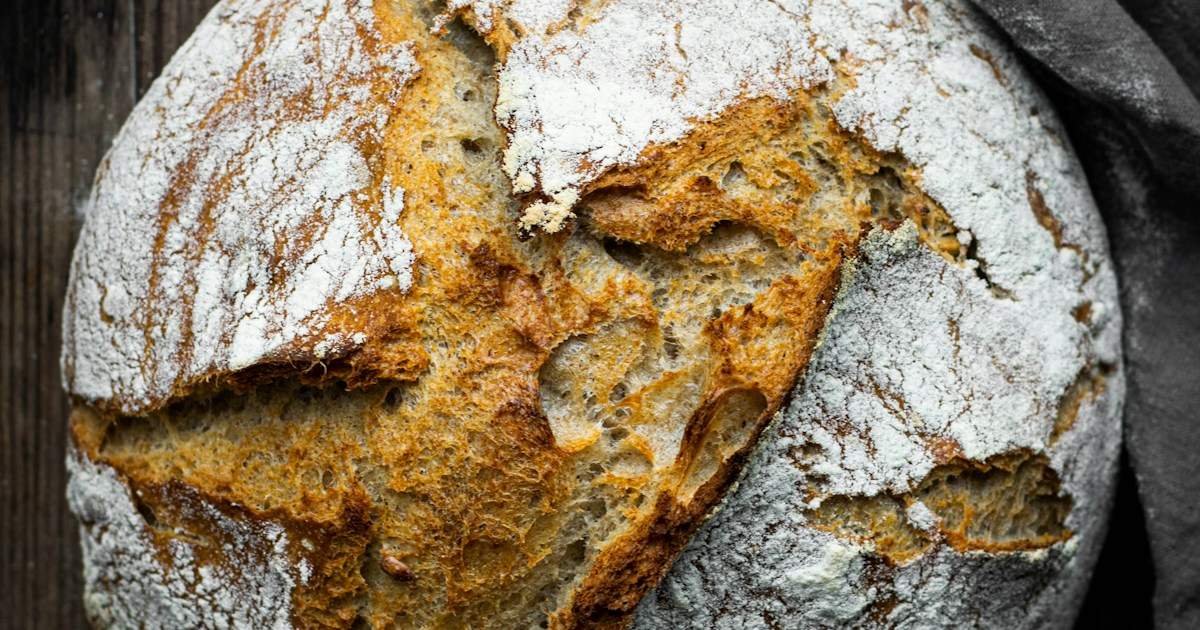
The korovai is a large, richly decorated ceremonial bread. According to the Encyclopedia of Ukraine, it was baked from flour that all participants contributed, then decorated, and at a set moment cut and shared among the guests. Descriptions of the decoration usually mention figures made of dough, such as the sun, the moon and doves, but the exact patterns differ from region to region.
What matters is the idea: bread as a shared blessing. Many families still order a korovai or a smaller version of it, and at some weddings it is placed at the center of the table.
The rushnyk: the embroidered cloth
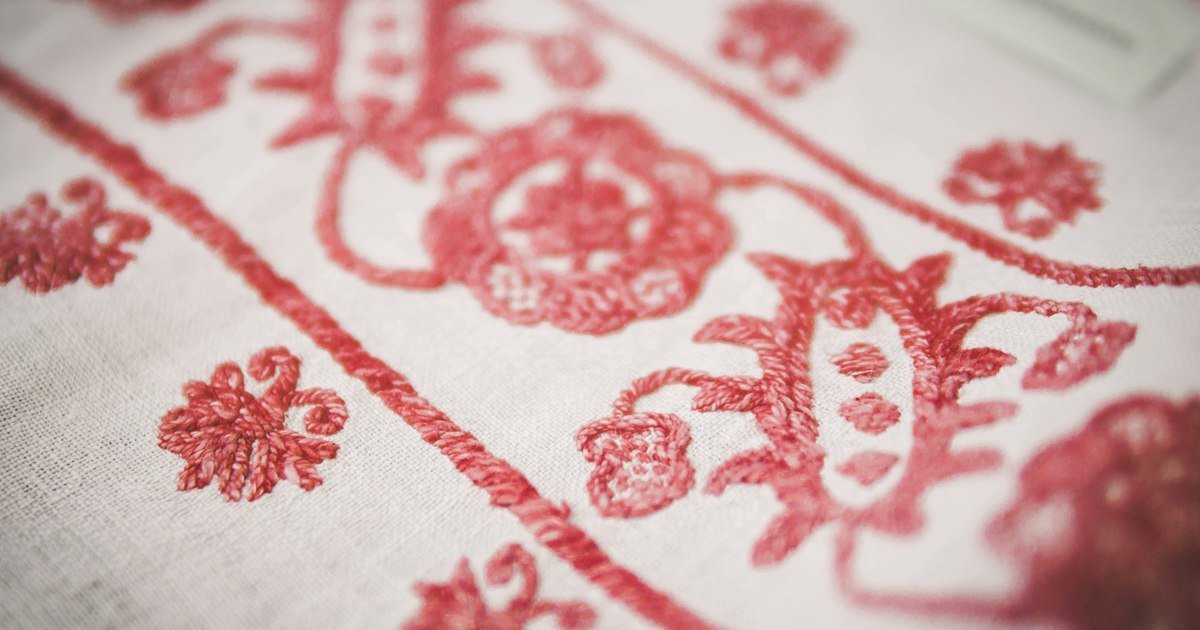
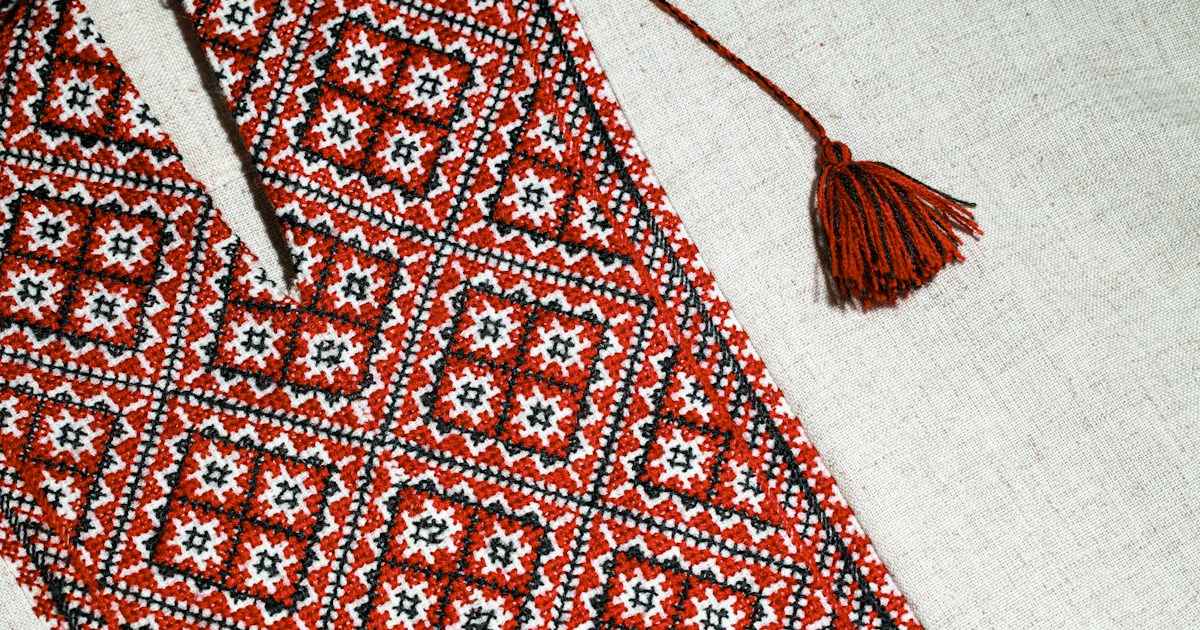
A rushnyk is a long embroidered cloth, often made of linen, that is used for rituals more than for drying hands. It has many occasions in Ukrainian life, and weddings are among the best known. Descriptions of modern ceremonies often mention that the couple stands on a rushnyk during the church ceremony. In some families rushnyks are also used to bless the couple, to carry the bread, and as gifts.
You may hear a light folk saying that whoever steps on the rushnyk first will "lead" the marriage. It is told with a smile, and nobody takes it as a rule. If a woman tells you this, you can answer with a joke and ask who stepped first in her parents' wedding.
If you receive a rushnyk as a gift, hang it respectfully or keep it folded in a clean place. It is an object with memory, and no one expects you to use it as a table decoration.
The ransom of the bride
The Encyclopedia of Ukraine mentions an act called pereima ("the interception") in which young people symbolically stopped the bride's party, and the bride had to be ransomed. In modern weddings this has become a game, usually called vykup nevisty ("buying out the bride"). The groom and his friends come to the bride's home or entrance and are asked to prove themselves: to answer funny questions about her, to perform small tasks, or to pay with sweets, drinks or a small sum.
The point is humor and a warm first meeting between two families, not a purchase. A good groom plays along, keeps the mood light and never turns it into a competition. If you ever take part, ask the bride's family beforehand how the game works. Some families still do it, and others skip it.
The parents' blessing
Before the couple leaves for the ceremony, the parents bless them. The Encyclopedia of Ukraine lists the parental blessing (blahoslovennia) among the acts of the wedding. In many families it is still a quiet and emotional moment: the parents give their blessing in words, sometimes with an icon or a loaf of bread, and the couple bows. Even in weddings that are otherwise modern and short, this part is often kept, because it is about respect for the family.
The wreath and the flowers
Traditionally the bride wore a wreath, vinok, made of flowers and green leaves. The Encyclopedia of Ukraine describes wreaths made of periwinkle, which in older customs was a symbol of a young woman's maidenhood. Today a wreath is mostly a decorative choice or a nod to heritage: some brides wear flowers in their hair, a floral crown, or an embroidered detail on the dress. It does not say anything about a woman's personal life, and you should not read it that way.
At the feast
Ukrainian wedding feasts usually include plenty of food, toasts and dancing, and a host (veduchyi, sometimes still called tamada) who leads the evening with jokes and games. At many weddings guests call out "Hirko!" ("Bitter!") during toasts, and the couple kisses to make the drink "sweet." Guests commonly bring a gift or an envelope with money, but expectations vary, so ask the hosts if you are invited.
Weddings today
In Ukraine, a marriage is made legal by a civil registration. Many couples register at a civil office, often with a small group of family and friends, and hold the celebration or a church ceremony separately, on the same day or on another. Some couples have a religious wedding in an Orthodox or Greek Catholic church, some have a secular ceremony, and some combine elements: a rushnyk for the photos, a korovai at the table, a modern dress and a DJ.
International couples often add a third layer: customs from his country, a ceremony in two places, or a smaller event for each family. That can be a gift for both families, if the couple chooses what has meaning for them and explains it kindly to the guests.
Picture this. She has told you about her grandmother's rushnyk, which she still keeps. When you talk about a future wedding, you do not say "we will do it the Ukrainian way." You ask, "Which parts of the tradition do you love, and which would you leave out?" You may find that she loves the blessing from her parents and would be happy to skip the ransom, or the other way round.
How to talk about it with her
- Ask before you assume. The word "tradition" covers a lot, and her family may follow few customs or many.
- Listen to the stories. A korovai, a rushnyk or a blessing usually comes with a family memory, and that memory is worth more than the object.
- Do not make it exotic. You are talking about her family's customs, not a show for a visitor. Show curiosity and respect.
- Plan together. Choose a few elements that matter to both of you, and agree early on who will explain what to each family.
- Keep money out of it. A wedding is not a transaction between families. If a ransom game is held, it is only a game.
For an overview of how Ukrainian families may think about relationships, read our guide to Ukrainian women and culture, and for the first meeting, a safety checklist for your first trip.
FAQ
What is a rushnyk in a Ukrainian wedding?
A rushnyk is an embroidered ritual cloth used at weddings and other important events. Couples may stand on it during the ceremony, and it can be used to bless the couple or as a gift.
What is the korovai?
It is a large decorated ceremonial bread, traditionally baked from flour given by the participants and shared among guests as a blessing.
Is the bride ransom a real payment?
No. In modern weddings it is a game in which the groom and his friends answer questions and complete small tasks, and sometimes give sweets or a small gift.
Do all Ukrainian couples follow these traditions?
No. Many couples keep some customs, some keep many, and some choose a modern wedding without any of them. Customs also differ by region and family, so ask her.
Can a foreign groom take part?
Yes, and it is usually welcomed. Ask the family how they do it, and take part with humor and respect.